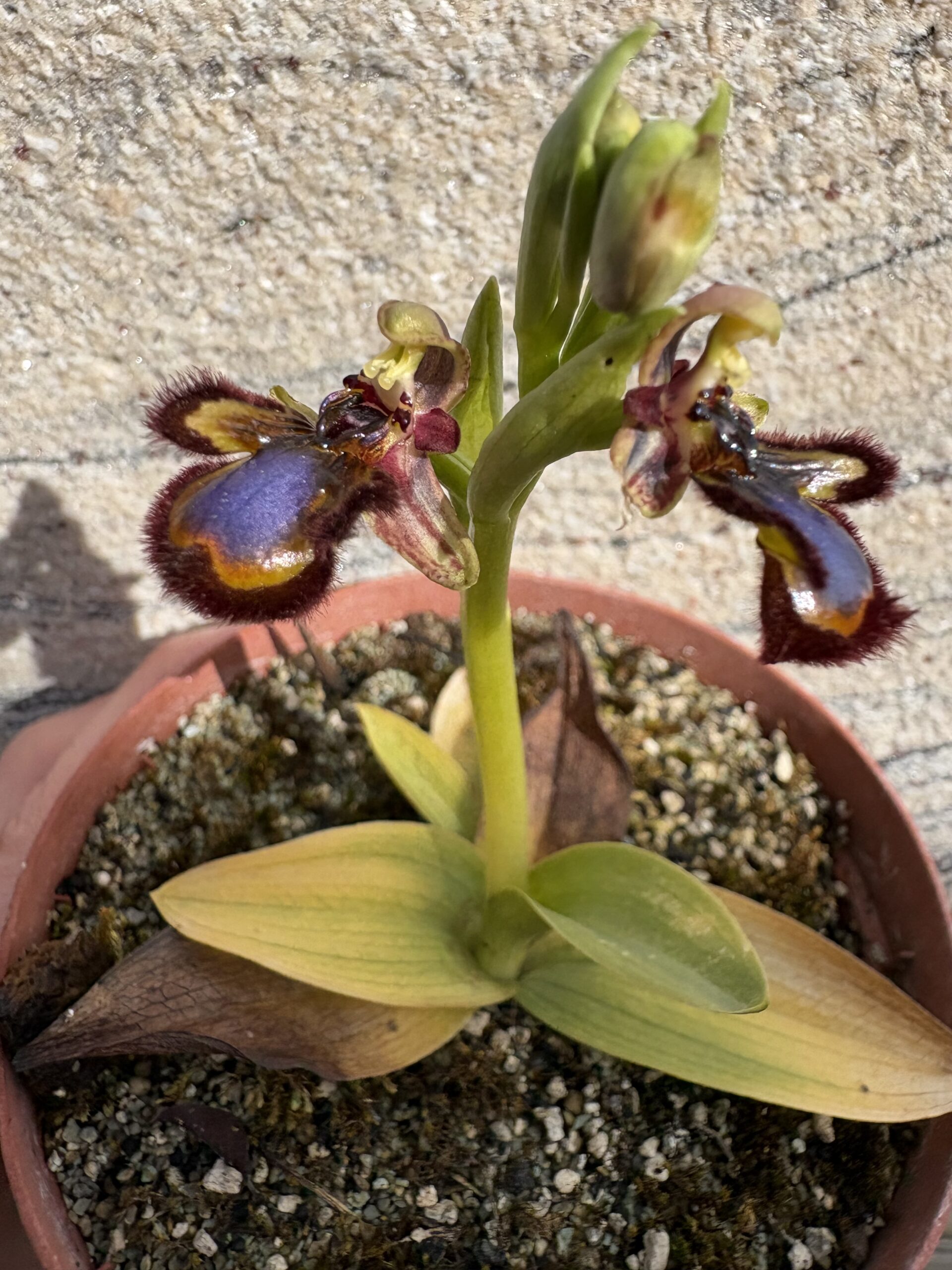
The recommended soil mixture
The substrate, meaning the composition of the soil used, is crucial for successful cultivation. Suitable soil is essential for flowering and the longevity of orchids. Different terrestrial orchids thrive in different soil types. Generally, orchids and their mycorrhizal fungi are very sensitive to the composition of mineral and organic components.
Terrestrial orchids, like all other orchids, need plenty of air at their roots to breathe. Few terrestrial orchids thrive in permanently wet conditions. Therefore, the soil must be well-draining, loose, and crumbly. Furthermore, the roots require consistent moisture throughout the entire growing season. The soil must therefore be able to retain water.
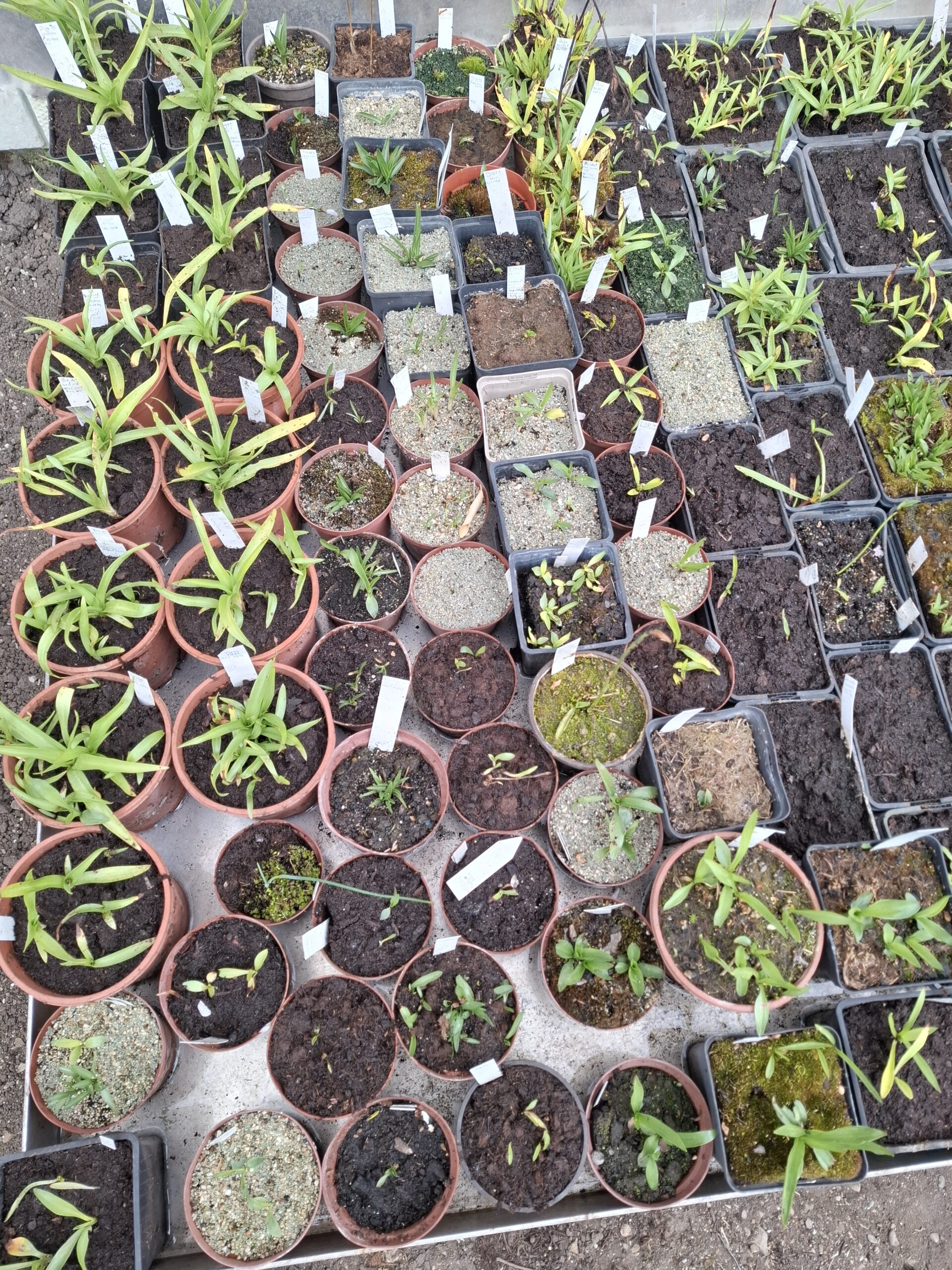
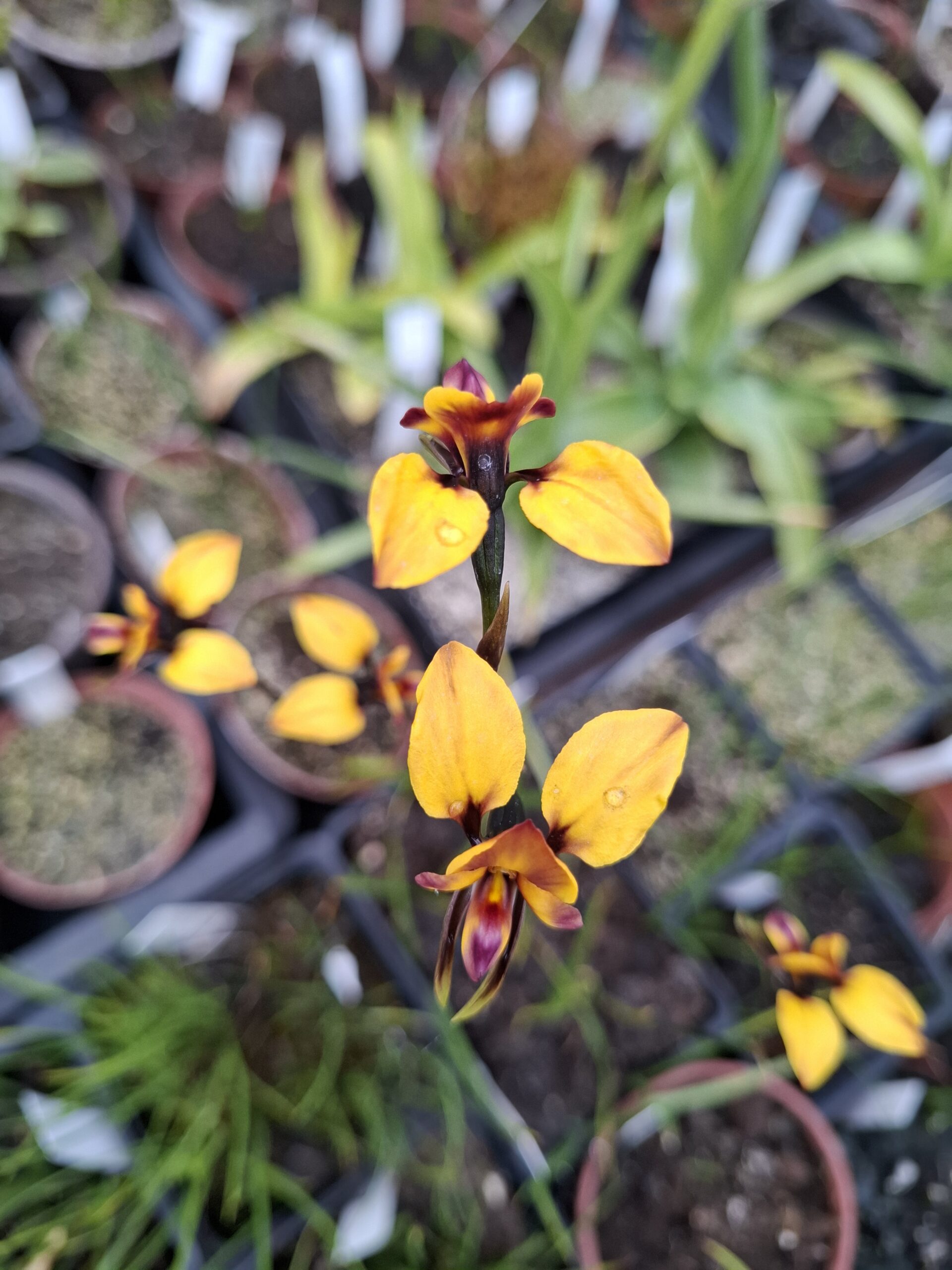
The presence of mineral or organic ion exchangers is also important. These are specific minerals or complex organic molecules (humus) that can absorb and release nutrients.
The availability of nutrients and the activity of mycorrhizal fungi are strongly influenced by the soil's pH value (acidity). Soil pH is of great importance for terrestrial orchids. For orchids in acidic soils, a pH of approximately 5 is recommended. For orchids in calcareous or alkaline soils, a pH of 6 to 7 is appropriate. The soil's pH value is determined by its mineral and organic composition, the decomposition of organic matter, and fertilization.
An important component of potting soil is an organic material that decomposes slowly, thereby providing nutrients to orchids and mycorrhizal fungi.
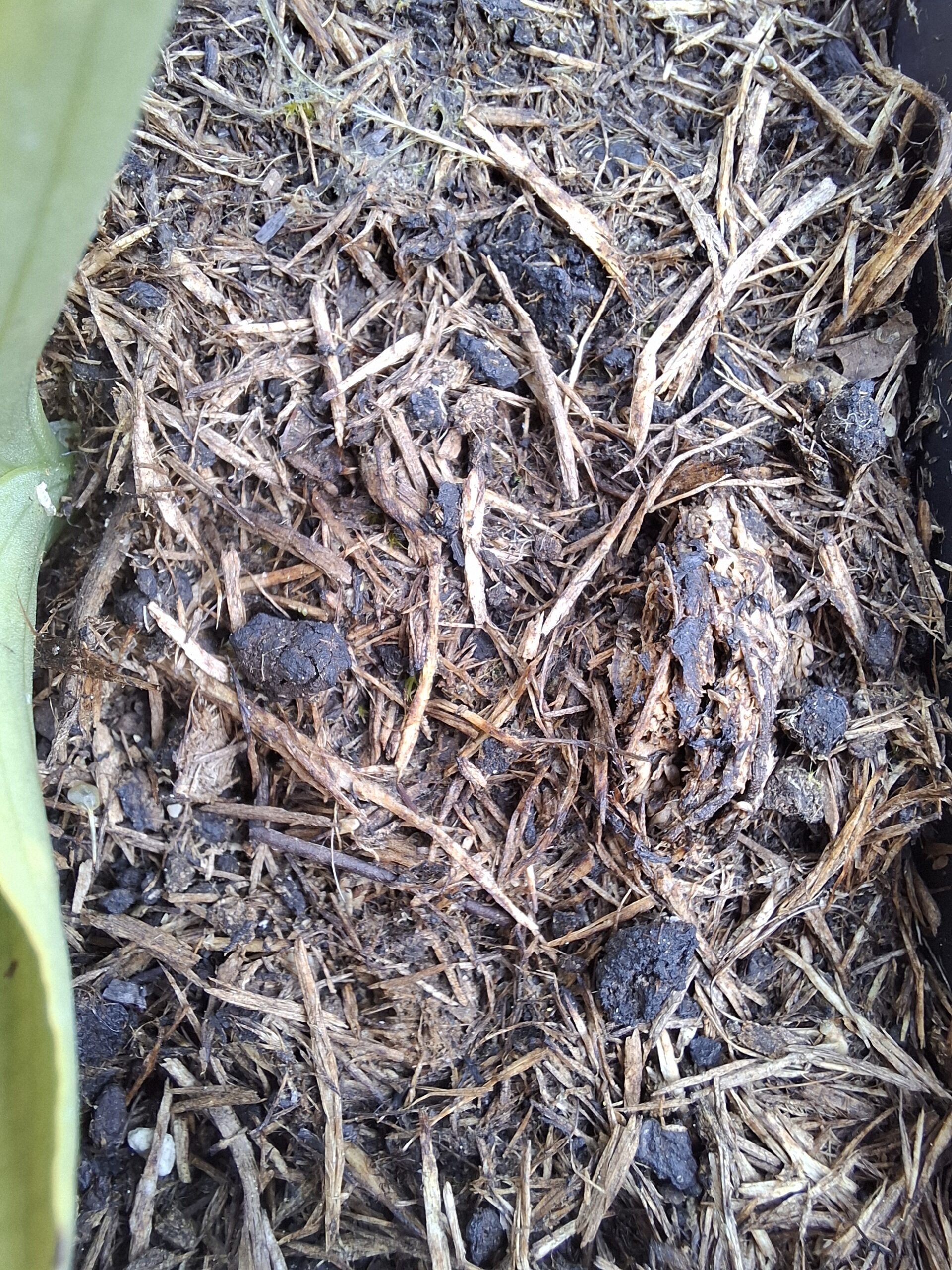
Early successes with wood fiber substrates have been confirmed over the years. Wood fiber substrates were first developed in the 1990s by Intertoresa AG in collaboration with Prof. Penningsfeld as a peat substitute. In this process, coniferous wood is shredded and impregnated or fermented with nitrogen (N), other minerals, and various substances through steam, pressure, or other treatments. Intertoresa AG provided me with various impregnated wood fibers, which I tested for their suitability for terrestrial orchid cultivation. Wood fibers have proven their worth to this day, but are no longer used pure; instead, they are used in mixtures. Such mixtures are offered in garden centers and hardware stores as peat-free substrates. Neudohum orchid potting mix was developed specifically for orchids. It is important to pay attention to the fertilization level of the mixtures. For terrestrial orchids, such mixtures are extended with peat, pumice, Seramis, volcanic granules, or similar materials. A 1:1 ratio with peat is recommended. In contrast, mineral substrates should contain no more than 10 to 20% organic material. Otherwise, the soil becomes too heavy and too wet.
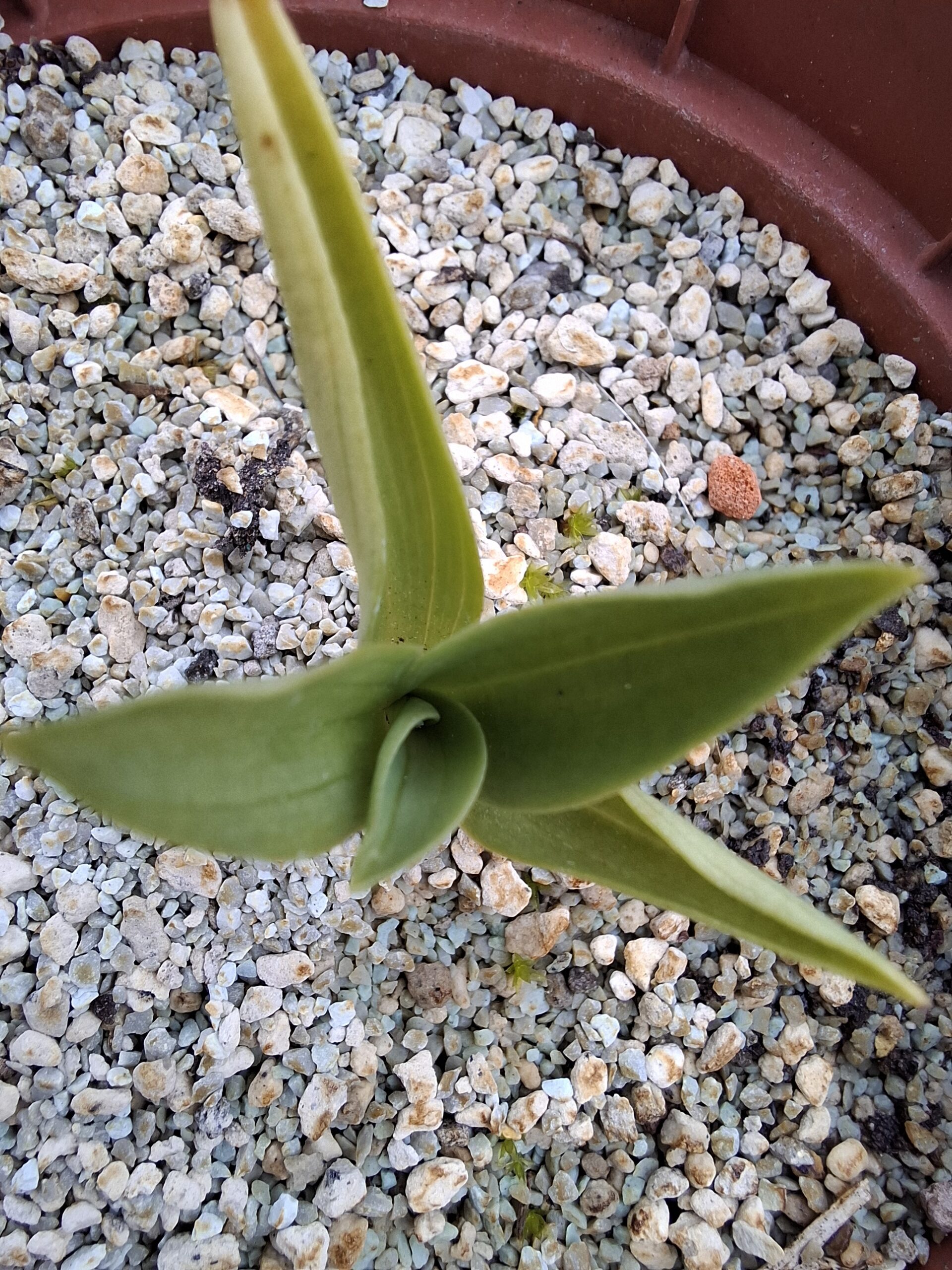
Very good results have been achieved in recent years using mineral substrates based on volcanic gran. This mixture of lava, pumice, and zeolite is very structurally stable and well-drained. The substrate is virtually inert and contains no nutrients for mycorrhizal fungi. Therefore, the addition of organic matter is necessary. To preserve the beneficial properties of volcanic gran, no more than 10 to 20% organic material is added. Layering the substrate has also proven very effective. The organic material is applied to the top layer as a covering. A small amount is also placed at the very bottom of the pot to stabilize the drainage holes.
Moderately fertilized peat-based substrates are also suitable for many terrestrial orchids. 10 to 20% mineral substances can be added. Peat-based substrates are particularly useful when there is little or no experience with other soil types for certain orchids.
Bark substrates are very successfully used for cultivating epiphytic orchids. For the genus Pleione, bark yields good results. However, bark substrates have proven less successful for other terrestrial orchids. Adding them to mineral substrates is possible.
When growing plants in pots, repotting and renewing the potting mix are necessary every few years. Organic substrates need to be renewed approximately every two years, while mineral substrates only need to be renewed every three to five years.
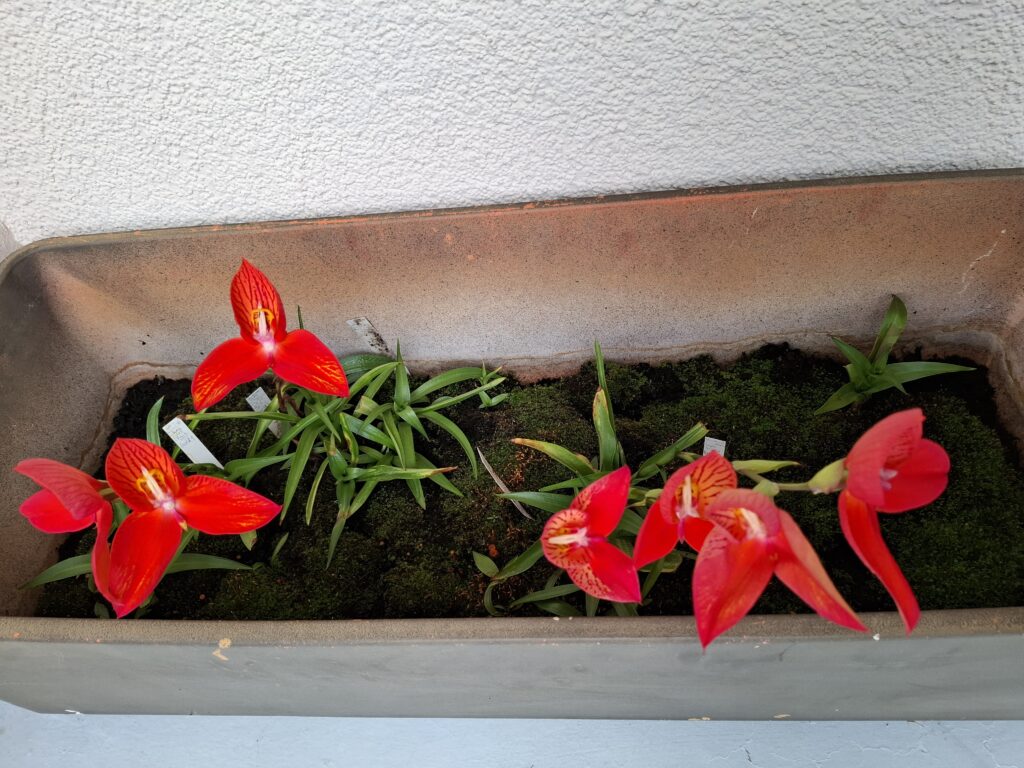
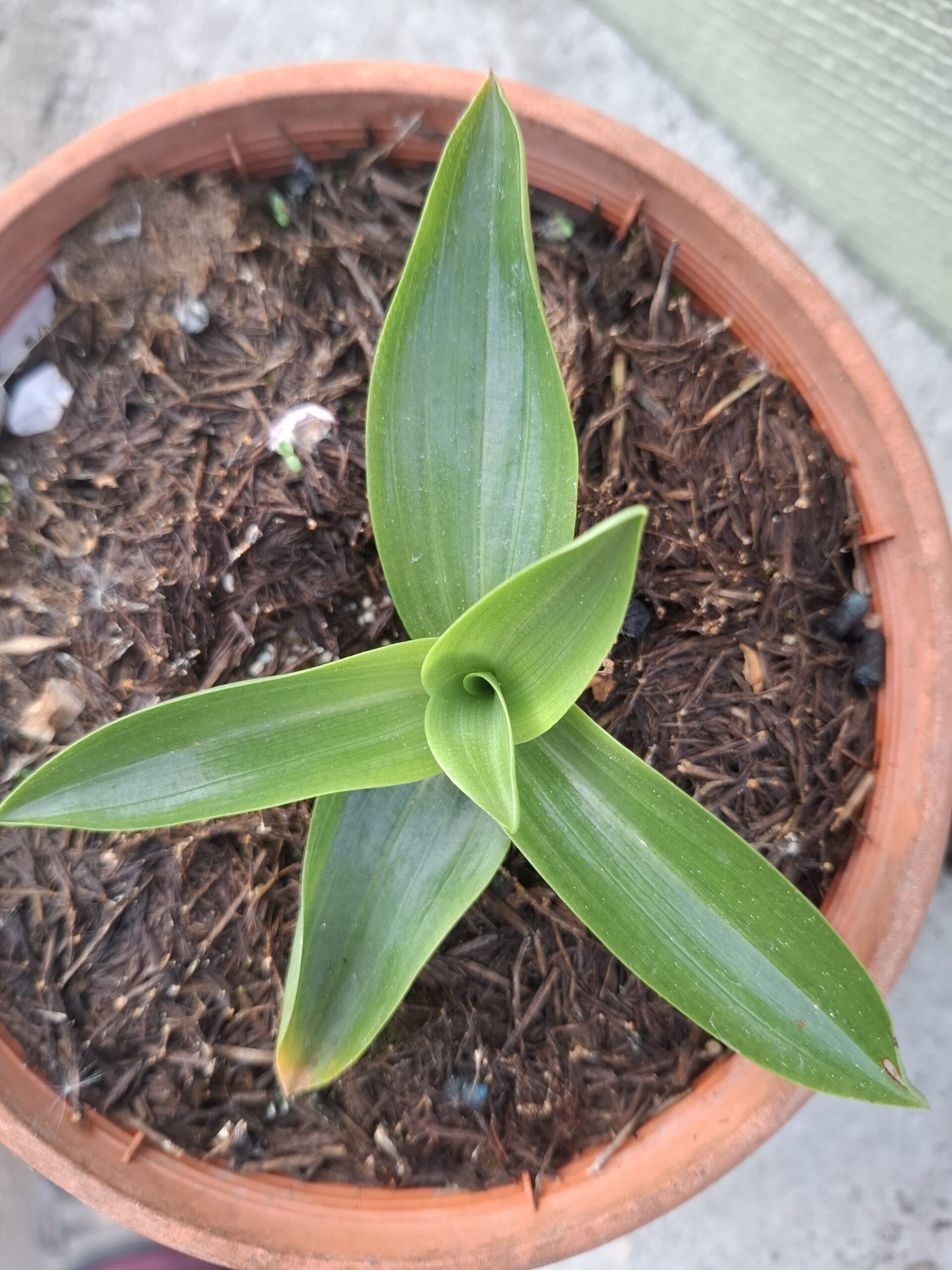
For successful cultivation in pots, the type and amount of fertilizer are just as crucial as the soil. After years of experimentation, I now prefer adding slow-release fertilizers when potting the plants. For orchids in acidic soils, I recommend Klanz's autumn fertilizer. Acidic soils are naturally often low in phosphate. The phosphate missing from this fertilizer is supplied by mycorrhizal fungi from the decomposition of organic matter. For all other orchids, I recommend Klanz's universal fertilizer. The amount added depends on the orchid species. Robust orchids in fertile soils receive approximately 0.5 to 1.5g. Orchids in poor soils, as well as young plants, receive approximately 0.2 to 0.5g of slow-release fertilizer. The fertilizer is mixed into the substrate at the bottom of the pot. The slow-release fertilizer is only added when potting and is not renewed annually.
If needed, a light application of liquid fertilizer can be applied occasionally during the growing season. The orchid mycorrhiza is stable and most important when nutrients are not present in excess. Too much phosphate (P) and nitrogen (N) are detrimental to the stability of the mycorrhiza. The nitrogen level is reduced to a level favorable for mycorrhiza primarily through the decomposition of organic matter, especially wood.
Which substrate is better? An organic substrate, such as peat and wood fiber mixtures, or a mineral substrate with only small amounts of organic matter? There's no single answer to this question. I've often worked with both types of substrate simultaneously. Orchids generally grow well in organic substrates. They often grow very well in mineral substrates, provided the mixture and other growing conditions are optimal. However, problems often arise in mineral substrates if the growing conditions and the soil itself aren't ideal. Plant losses are higher in mineral substrates. Organic substrates are more reliable. Therefore, I prefer to cultivate in organic soils, especially when I'm unsure of the optimal growing conditions for the plants.
It is definitely not advisable to mix the recommended mineral and organic components in a one-to-one ratio. Such a mixture will be too heavy and too wet.