Distribution:
More than 100 species, most endemic to southern Africa, extending to the highlands of tropical Africa. Two species are found in Asia and five species in Madagascar.
Plant Description:
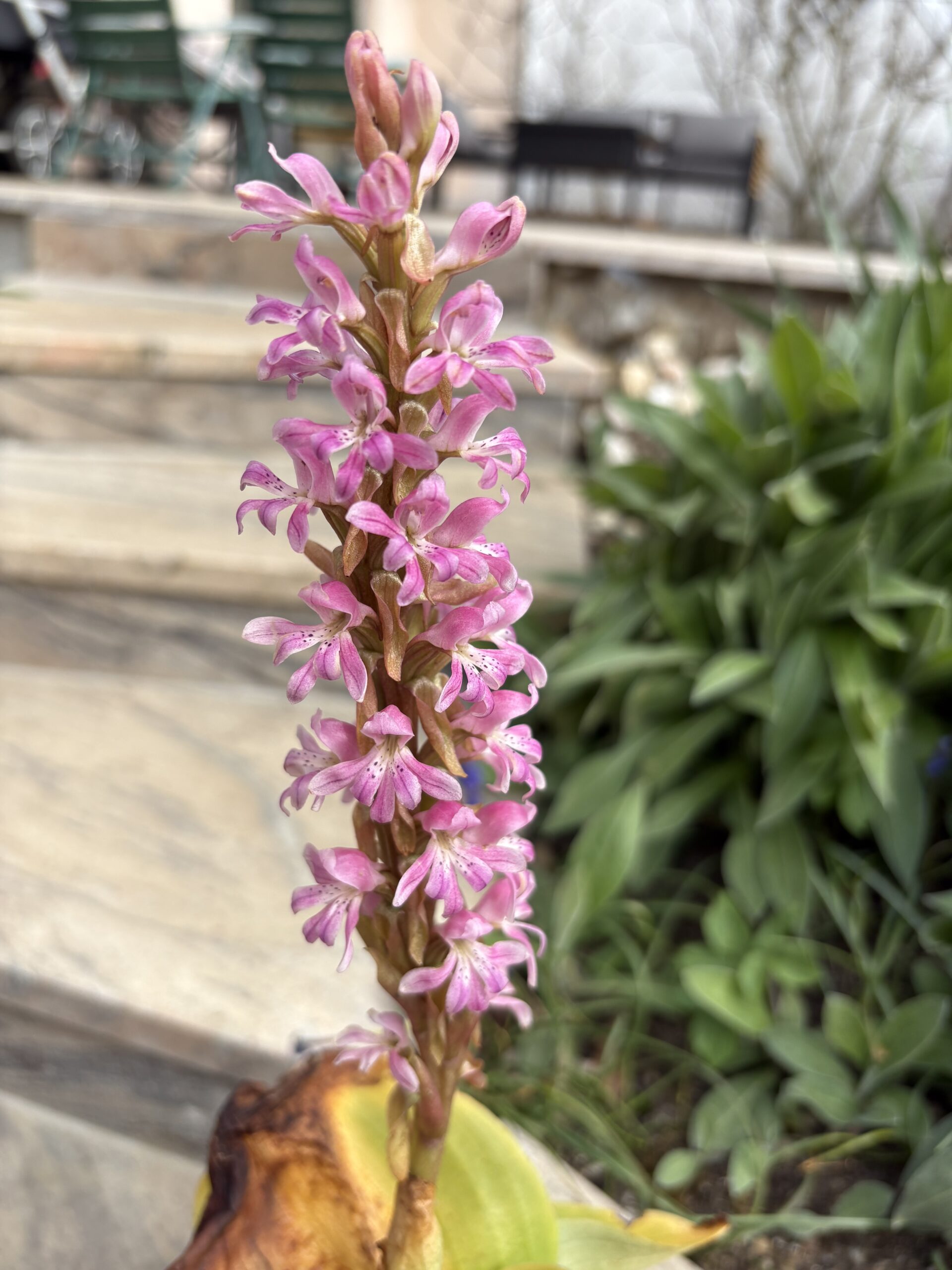
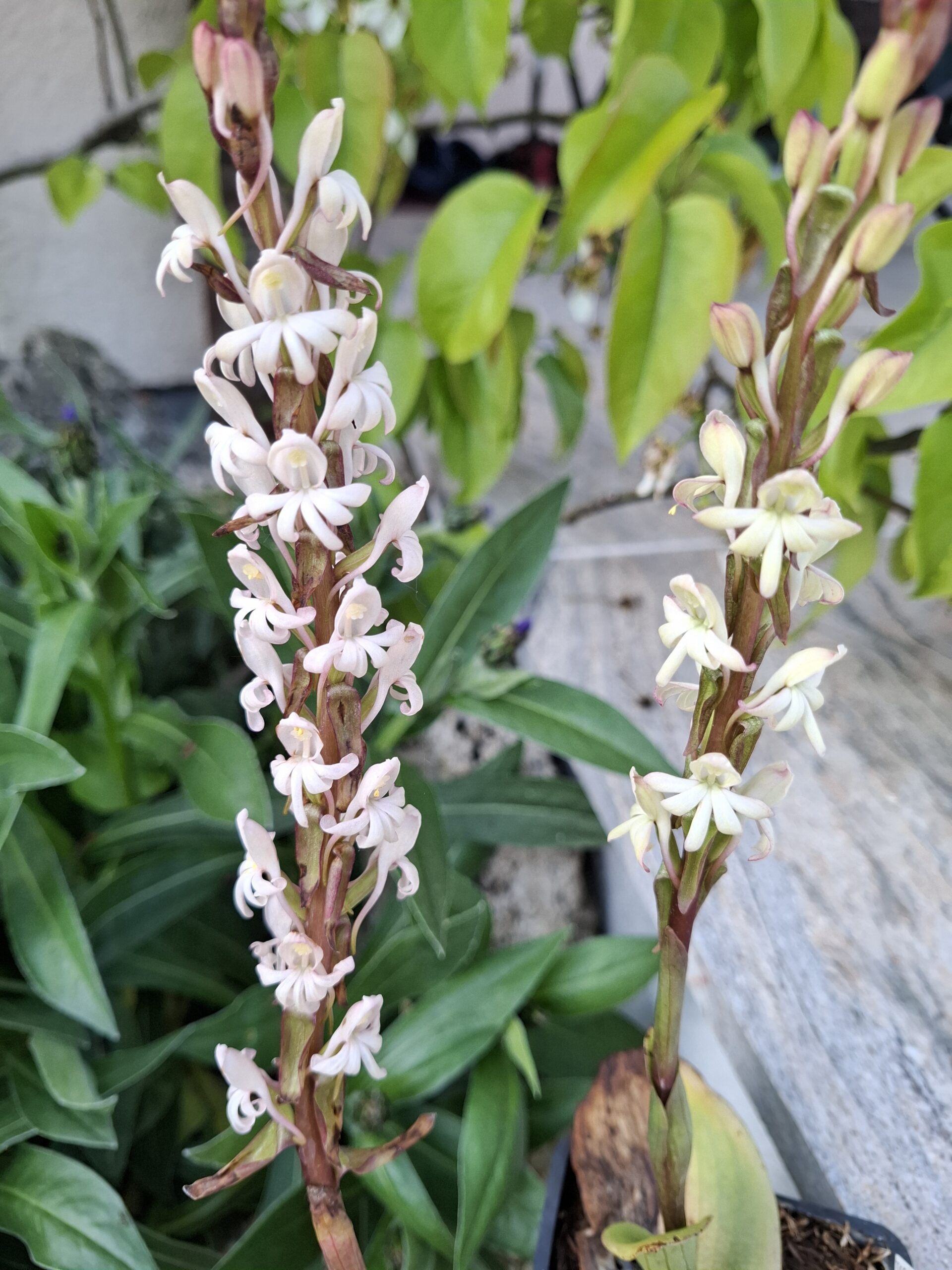
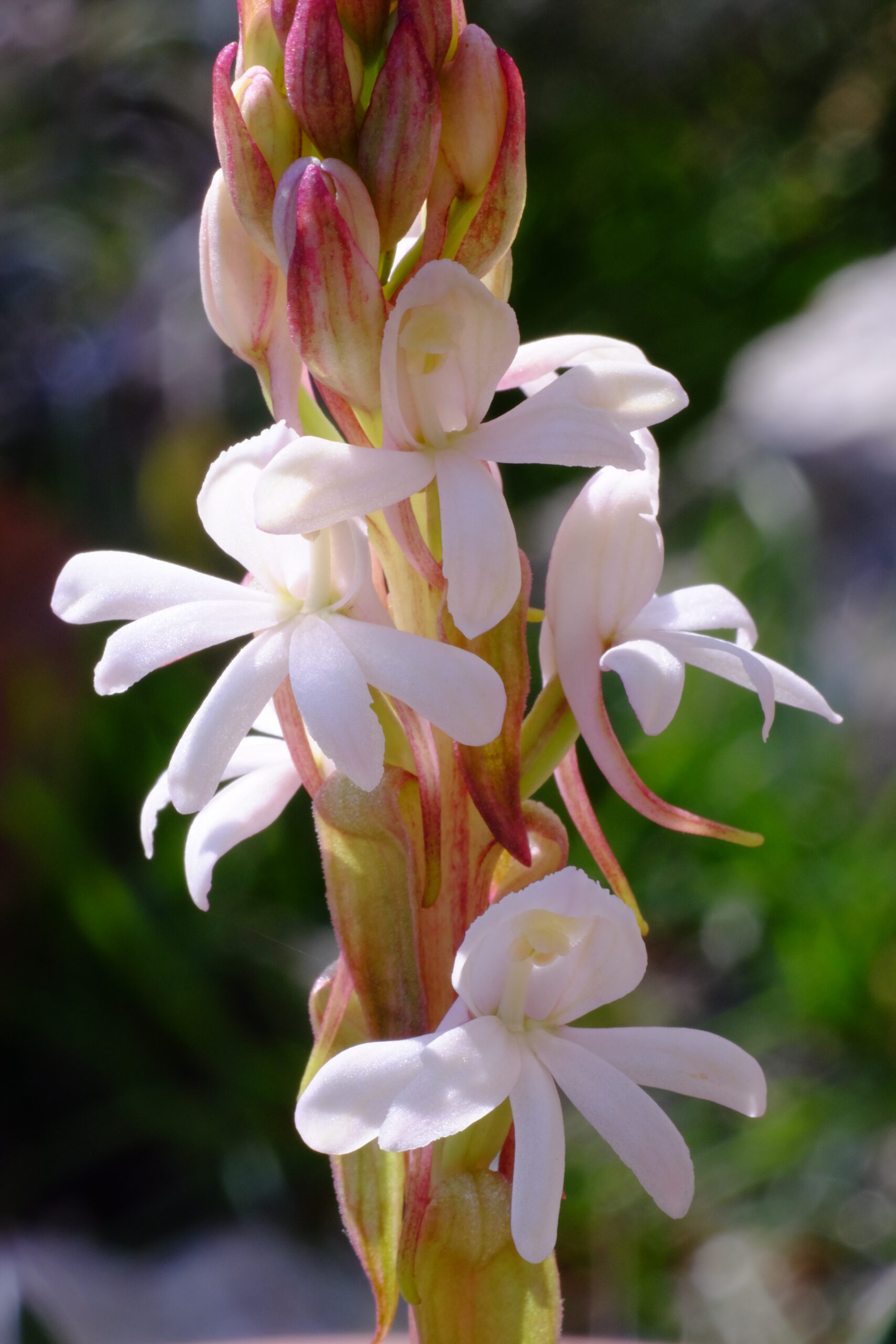
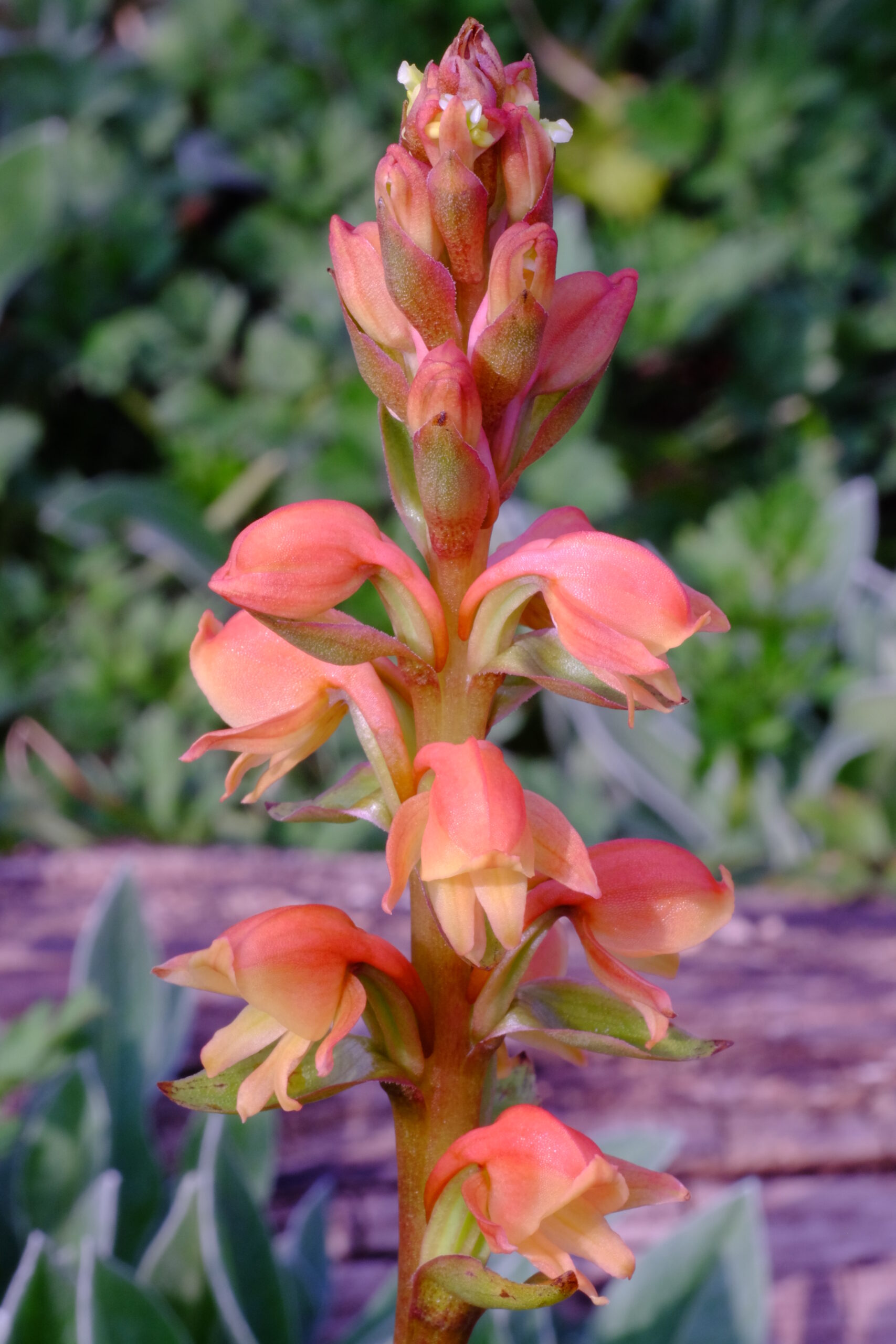
Inflorescences 1 to 130 cm tall, with 1 to 6 fleshy leaves. Sometimes leaves on a separate stem or absent. Few to numerous flowers, not twisted, green or colored. The labellum two-spurred and located at the top of the flower. Sepals and petals are often fused to the labellum.
Cultivation:
Satyrium is quite easy to care for. Some species grow in summer, others in winter and go dormant in summer. Most species flower in spring or summer. Summer-growing species can be cultivated in the garden during the warmer months. The tubers must be collected before the ground freezes and then overwintered dry in the refrigerator or a cool room. Winter-growing species are hardy down to -4°C (29°F). Cultivate in a sunny location. Regular watering during the growing season is essential. With the appearance of flowers, watering is reduced and finally stopped completely once the plants go dormant. Potted plants should be kept completely dry during dormancy. However, small plants and seedlings should receive occasional watering during summer to prevent them from drying out. Indoor plants should be temporarily moved outdoors in late summer. Cool nights and some rain will end their summer dormancy and stimulate new growth.
Recommended soil mixtures:
80 to 90% mineral, depending on availability. Volcanic granules, volcanic stratification, pumice, Seramis, 10 to 20% acidic organic components. Rhodohum has proven effective. The potting soil must be well-draining, with a pH of 5 to 6. An organic substrate consisting of 90% Rhodohum with 10% mineral components also yields good results. For mineral substrates, fertilize with slow-release fertilizer. Approximately 1g of Klanz Universal Fertilizer per plant. See also potting soil.
Recommended reading:
Wild orchids of Southern Africa. J. Stuart, H.P. Linder, E.A. Schelpe, A.V. Hall, 1982. Macmillan South Africa.(Publishers)(Pty)Ltd. ISBN 0 86954 070 X.
Growing South African indigenous orchids. Karsten, B. Woodrich, 1997.Balkema ISBN 90 5410 650 6.
Orchids of Kenia. Joyce Stuart, 1996. St Pauls Bibliographies,Winchester.ISBN 1 873040 28 8.
Orchids of Southern Africa. HP Linder and H. Kurzweil, 1999. AA Balkema/Rotterdam/Brookfield. ISBN 90 5410 4457.