Distribution:
The genus contains 40 to 45 species. Endemic to the temperate or Mediterranean climates of Chile and Argentina. Found in coastal regions, near or within the Andes Mountains. Juan Fernández Islands and the Malvinas, Falkland Islands.
Plant Description:
Mostly robust plants with turnip-shaped tubers similar to Spiranthes. Inflorescences 10 to 90 cm tall. Leaf rosette merges into the inflorescence. Medium-sized, decorative flowers in a loose arrangement. Spurless. Gavilea differs from Chloraea by its more star-shaped, radiating flowers and a narrower lip.
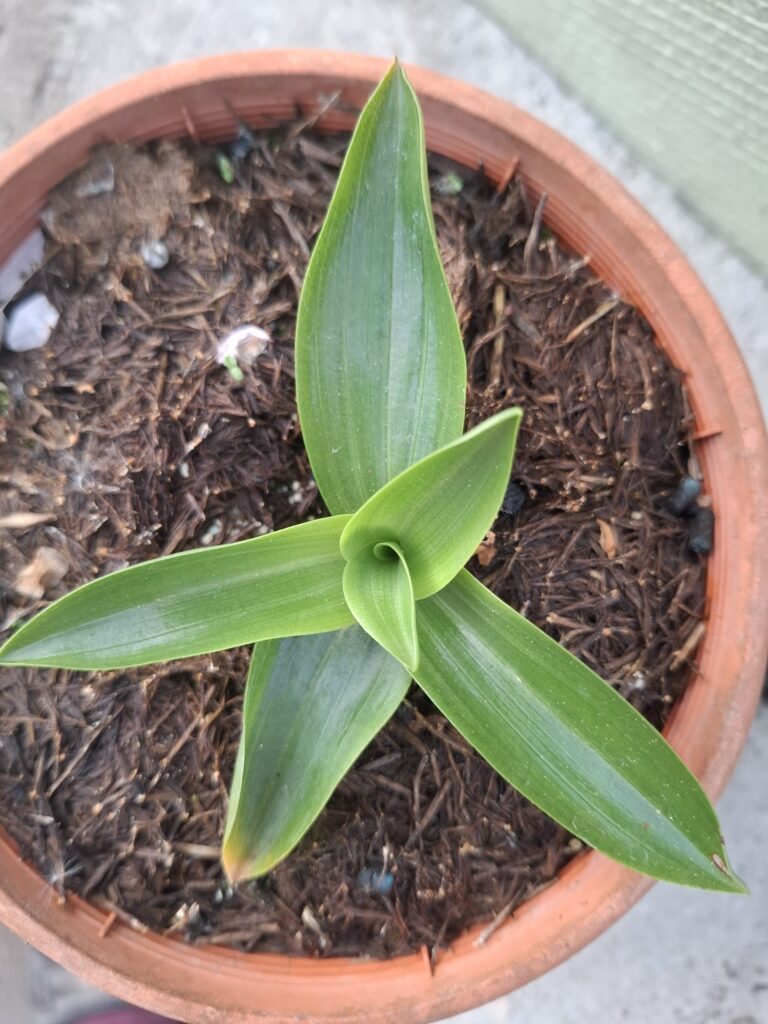
Cultivation:
These plants range from easy to difficult to cultivate. Some species, such as Gavilea araucana, Gavilea longibracteata, and Gavilea odoratissima, are sub-Mediterranean and require a summer dormancy. The leaves appear in autumn. Most species live in cool-temperate or montane, Andean habitats. The leaves emerge in spring after winter dormancy, or with the snowmelt in Andean mountain plants. The plants flower in spring or summer. Many temperate species thrive in partial shade. Frost hardiness varies between species, ranging from -5°C (coastal species) to -18°C (mountain plants). For sub-Mediterranean species, watering is reduced when flowers appear and eventually almost stopped once the plants go dormant. Occasional light watering during dormancy prevents the tubers from drying out. Small plants and seedlings also receive some water in summer. Temperate species should only be watered drier during winter dormancy, never completely dry.
Recommended soil mixtures:
The soils in their natural habitat are often volcanic and fertile. A suitable substrate is 50% wood fiber mixed with 50% commercial potting soil or mineral soil (80-90%), depending on availability. Volcanic substrate, Seramis, or pumice with 10-20% organic matter can also be used. Wood fiber mixed with TKS1, Floraton 3, or similar propagation substrates is also beneficial. The substrate must be well-draining with a pH of approximately 5 to 6. Regular fertilization is necessary for rapid growth.
Recommended reading:
Novoa, P., J. Espejo, D. Alarcón, M. Cisternas & E. Domínguez. 2015.
Field Guide to Chilean Orchids. Second edition.