How can orchids and fungi live together?
It has long been known that our native orchids live in a close relationship (symbiosis) with certain fungi. This association is called mycorrhiza. The mycorrhizal fungi colonize the soil and the bark of trees and also penetrate the living tissue of orchids. This symbiosis is of great importance for young orchid seedlings and embryos (called protocorms). Without leaves and roots, the protocorms depend on their fungi for the uptake of carbohydrates, minerals, and water. However, adult orchids also benefit from the symbiosis and are often heavily infested with fungi. The degree of dependence varies within genera and species. Epiphytic orchids are generally considered less dependent compared to terrestrial orchids. In the embryos, the fungus remains confined to the basal part and does not penetrate the cell division zone (meristem). The first developing roots are colonized from the soil. In Caladenia, Pterostylis and some other Australian orchids that form few or no roots, the fungus colonizes the thickened stem base just below the soil surface.
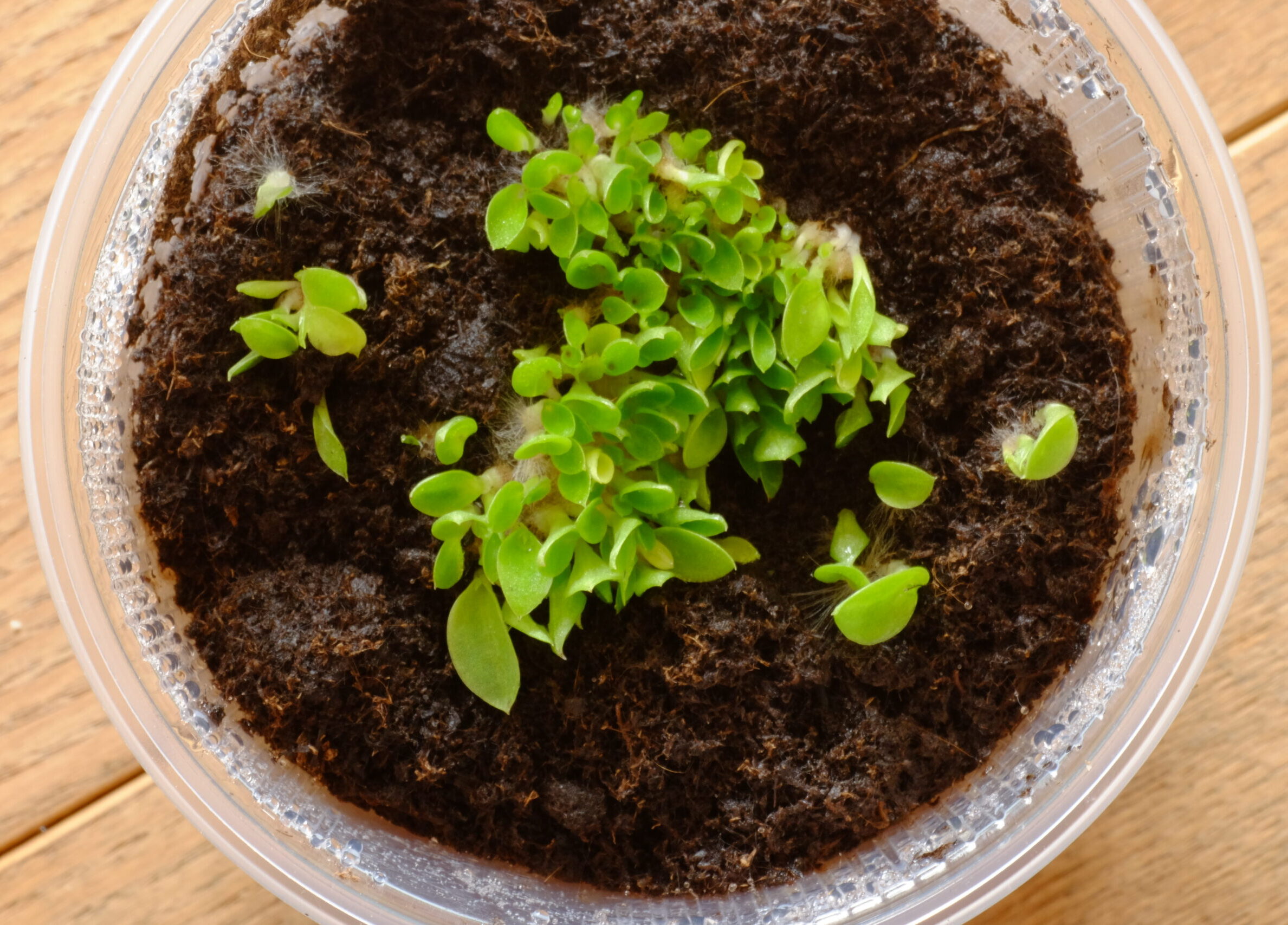
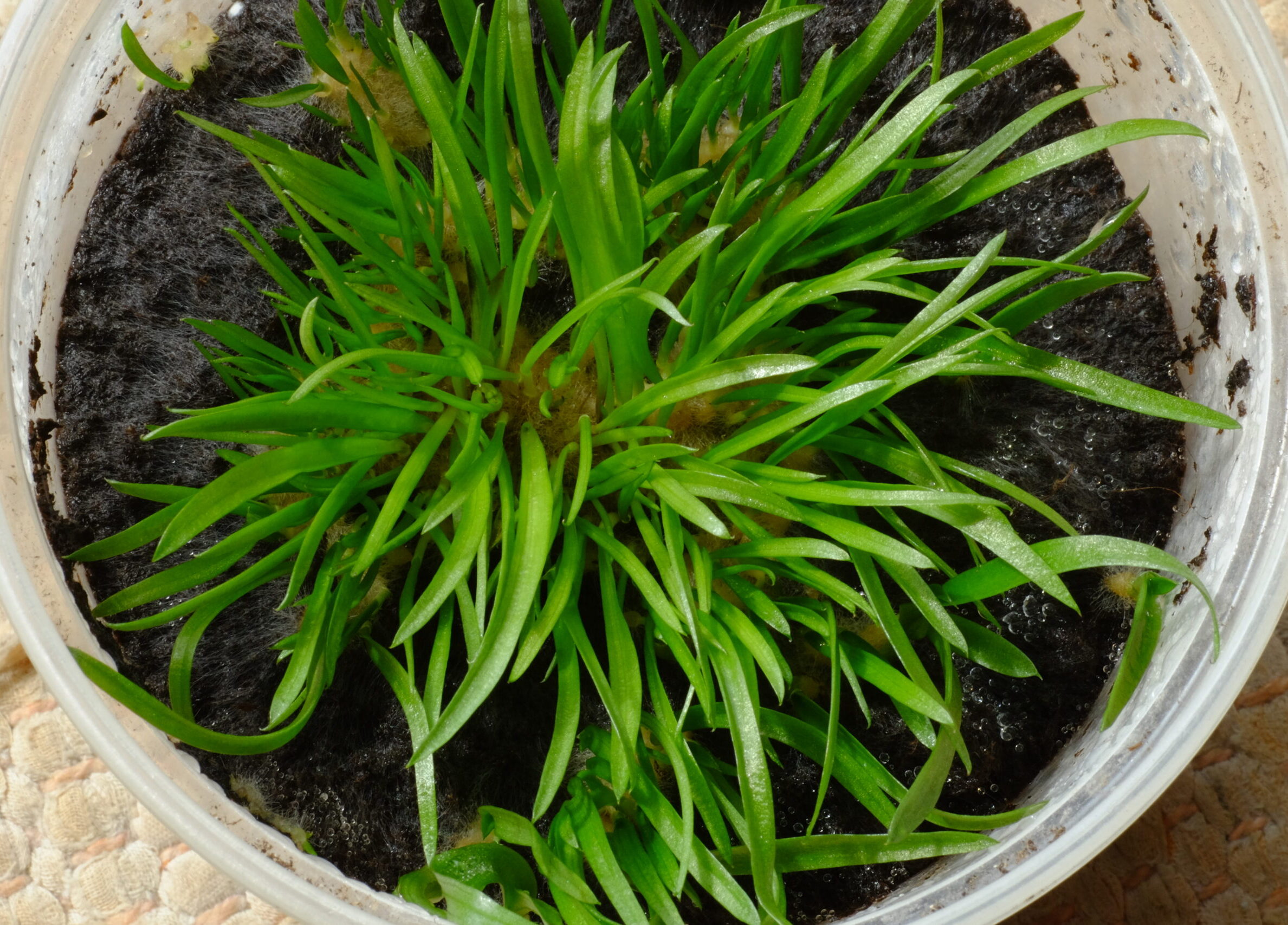
When examining infected roots under a microscope for the first time, one is undoubtedly astonished by the sheer number of fungi. The outer region of the root (epidermis) is only sparsely colonized, the inner root region (vascular system) is completely fungus-free, but the tissue in between is heavily infected. The distribution of the fungus appears to be well-organized, and it becomes clear that the orchid plant controls the fungal growth within its tissue. The first scientific investigations into orchid mycorrhiza were carried out by the French scientist Noel Bernard. In May 1899, he discovered germinating orchid seedlings under a rotting tree trunk in the forest. Bernard observed that the seedlings contained fungi and depended on them for their nutrition. In the following years, until his untimely death in 1911, Bernard germinated many orchids and devised numerous experiments. He discovered that the relationship is specific and that only certain fungi promote the growth of the seedlings. For example, seeds of the epiphytic orchid Cattleya germinate with a fungus isolated from Cattleya. However, if the seeds are combined with a fungus from Phaleonopsis or Odontoglossum, this fungus either kills the orchid, or the orchid prevents the fungus from penetrating, and the seedlings do not develop further. The orchids are capable of destroying the fungus. Furthermore, Bernard showed that orchid tubers, which do not normally contain fungi, have strong fungicidal activity. Substances that diffuse out of the tubers can stop fungal growth. In his studies, Bernard found that the mycorrhizal fungi are a type of parasite controlled by reactions of the orchid host cells. When he writes about the "maladie bien faisante," he views the association as a disease that turns to the benefit of the orchids. Indeed, studies by later researchers revealed that some mycorrhizal fungi of orchids can be harmful to other plants (parasitic fungi). One example is the honey fungus (Armillaria mellea), which can kill trees but is utilized by the orchid Gastrodia elata. The cereal blight Rhizoctonia solanii can also sometimes be found in the orchids Dactylorhiza, Prasophyllum, and Pterostylis, to the benefit of the orchids (demonstrated by the scientist Jack Warcup). In general, however, orchid fungi are not harmful fungi and live on dead, decaying wood and leaves (saprophytic fungi) or in symbiosis with the roots of certain shrubs and trees (ectomycorrhizal fungi).
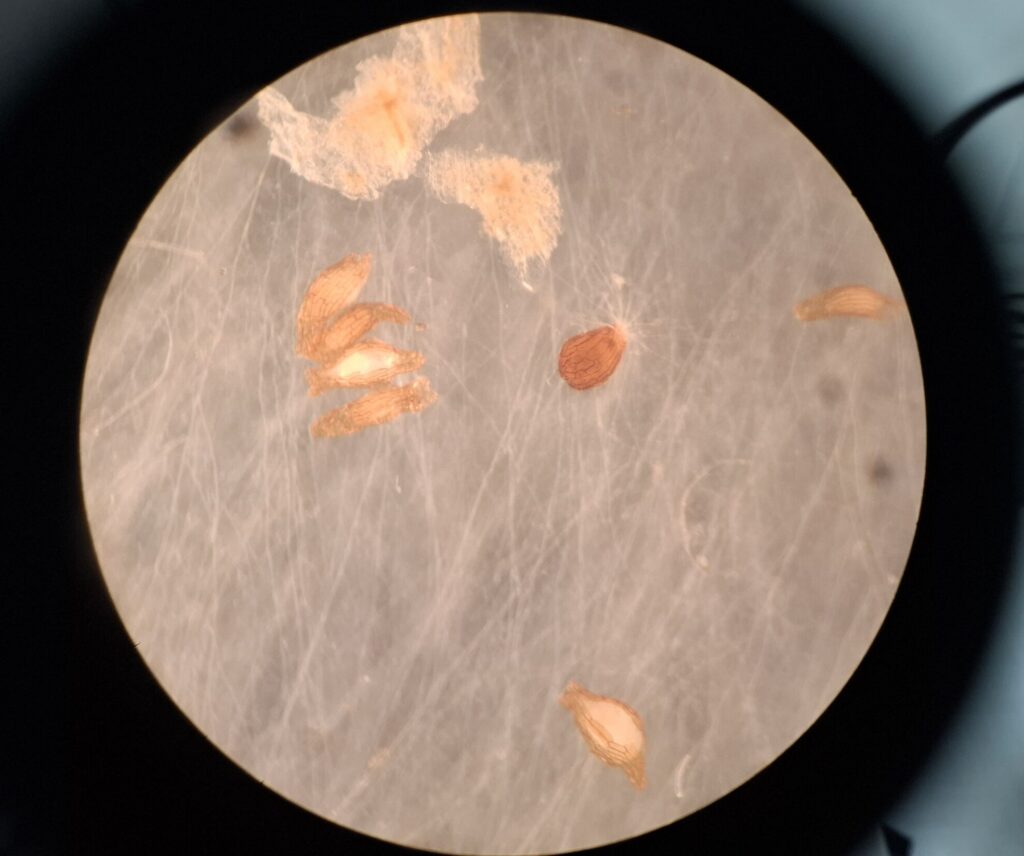
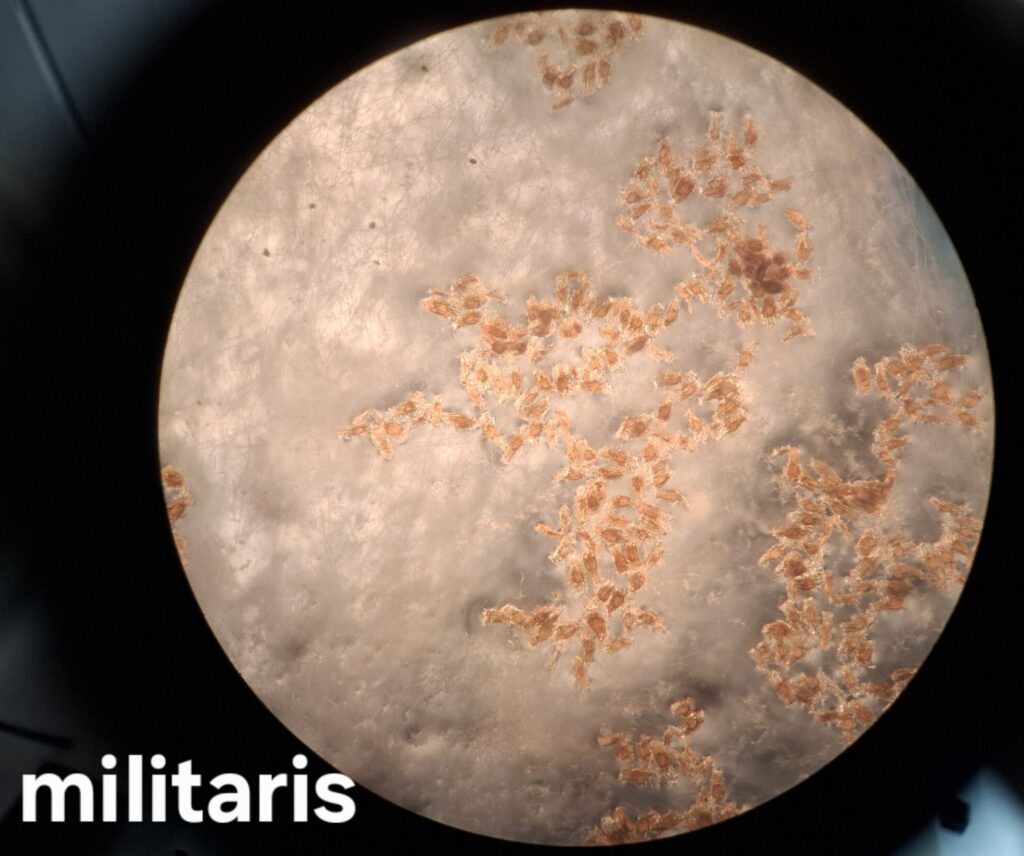
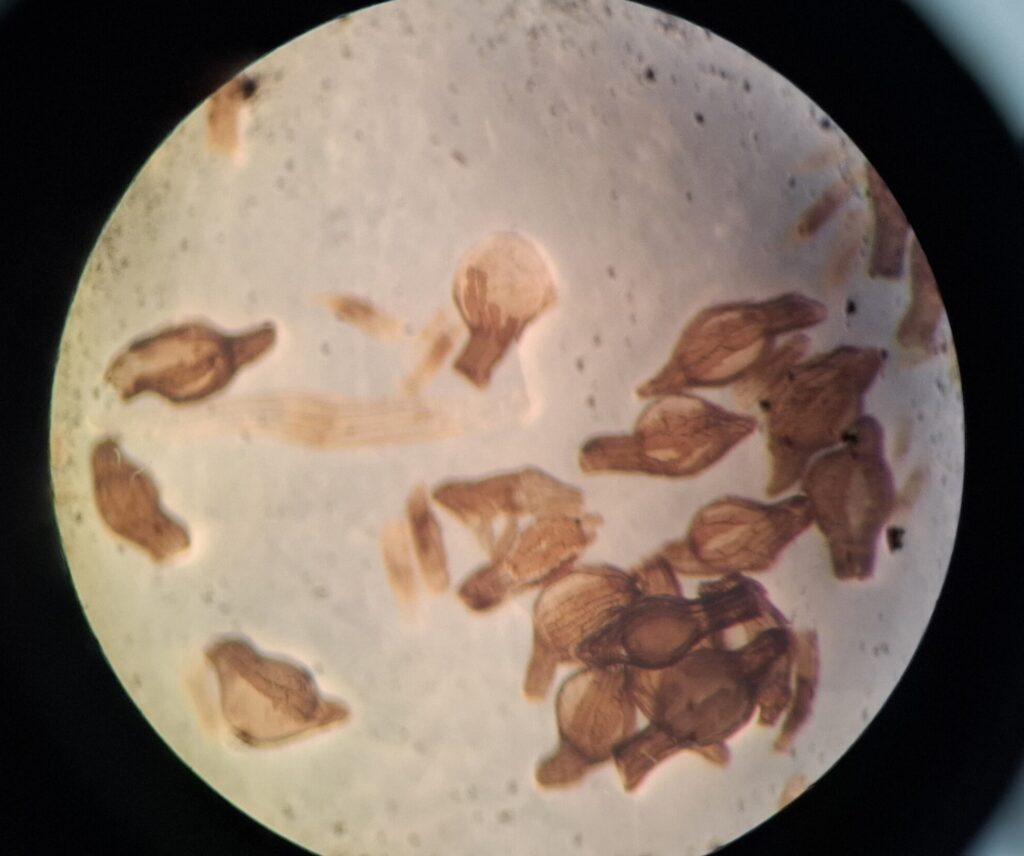
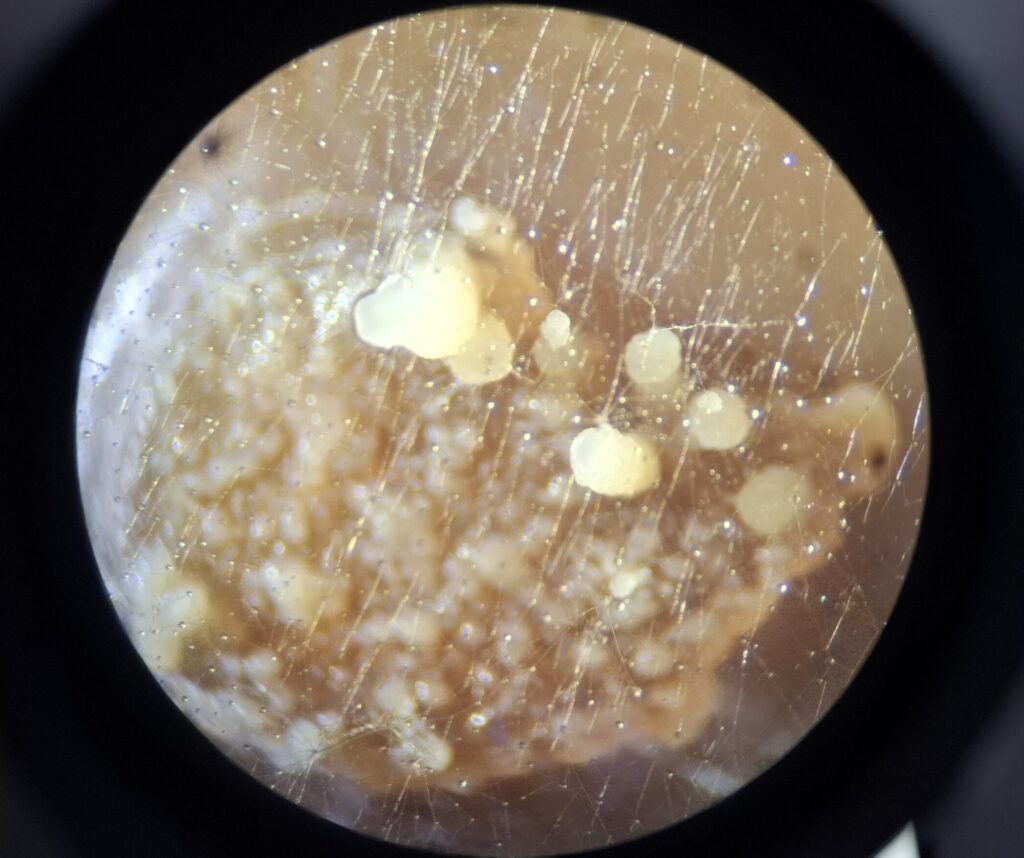
Fungi can produce certain substances (enzymes) that help break down organic molecules. These enzymes are activated to decompose the organic material. As a result, fungi dissolve cell walls, and some fungi can even penetrate living cells and cause disease. However, plants, like animals and humans, have effective mechanisms to resist disease. All living things are constantly exposed to fungi and other microorganisms, but resistance to disease is the rule and susceptibility the exception. The nature of this resistance is diverse. Plant physiologists distinguish between passive resistance and active defense. Passive resistance includes all properties that are effective even before an infection occurs. Active defense refers to substances that accumulate only during an infection. The molecules capable of preventing infections and diseases are not produced in the primary metabolism of plants. Primary metabolism regulates the growth and development of stems, leaves, roots, and flowers (nucleic acids, proteins, sugars, fatty acids). Antibiotics, on the other hand, are produced through specific metabolic processes and are therefore called secondary metabolites. These chemicals are highly diverse, and different plants produce different substances. Secondary metabolites can include fragrances and colors, as well as defense molecules against herbivores (e.g., insects) and microorganisms. Passively resistant molecules (lignin, phenols, terpenes, and flavonoids) ward off potential attacks from the outset and prevent penetration into plant tissue. However, many pathogens overcome these and other defense molecules and colonize the first plant cells. Plants can react actively by forming papillae and cell wall deposits to encapsulate the invader. Additionally, the infected tissue can die immediately. This limited cell death (hypersensitivity reaction), along with the synthesis of new antibiotic substances (phytoalexins), can often terminate the colonization of adjacent healthy tissue and, in many cases, prevents further invasion and growth of the pathogen. As a result of such an encounter between plant and pathogen, dark pigmented spots become visible on roots or other plant parts. However, if nutritional stress and unfavorable climatic factors weaken the plant's metabolic activity, the pathogen is favored. Consequently, the disease progresses, and the plant is lost. The similarity of orchid mycorrhizae to the relationships with pathogens becomes evident in symbiotic germination experiments.Even a fungus specifically suited to a particular orchid, which initially supports the orchid's growth, can later become parasitic and kill the protocorms. This sudden parasitism is the main difficulty in symbiotic in-vitro cultures and limits their use for raising orchid seedlings. In soil (both in nature and in plant pots), fungal growth is very sparse compared to in-vitro cultures, and parasitism never seems to occur. The mycorrhizal fungus will never cause harm in the soil and brings only benefits to the orchid. Two very different organisms benefit from living together: a fungus with the potential to decompose plants and an orchid, ready to defend itself against fungi. Little is known about the processes that regulate the balance between orchids and fungi. Several systems seem possible:
A) The invasive nature of the fungus is counterbalanced by the orchid's defenses. Phytoalexins appear to play a key role in this process. In the presence of the fungus, they are continuously produced by the orchid and can be gradually inactivated by the fungus. The oxidases, hydrolases, and other enzymes of the fungus are inactivated by the orchid's defense molecules.
B) The fungus alters its metabolism, and destructive enzymes are no longer produced after colonizing the orchid tissue. The orchid does not employ any of the aforementioned defense mechanisms. Unknown mechanisms govern the symbiosis.
c) Some defense reactions operate at a low level (e.g. phytoalexins) in addition to an unknown control mechanism.
Possibility A) appears to be supported by the unstable nature of orchid mycorrhiza. However, the high degree of specificity (only certain fungi can form a mycorrhiza with specific orchids) seems to favor possibilities B) and C), while A) should allow for a broader range of fungi. The outcome of an infection depends on the orchid, the fungus, and the nutrients available to the symbionts. Moderate nutrition restricts the fungus and allows for the stability of the mycorrhiza. Excessive carbohydrates and nitrogenous fertilizers lead (for example, in in-vitro cultures) to rapid fungal growth, parasitic invasion, and the death of the orchid. To investigate the balance between orchids and their fungi, the production of key enzymes, polyphenols, and phytoalexins during an infection must be analyzed. The activity of the enzymes and the quantity of defense molecules must be defined and compared in different relationships, and the process must be analyzed microscopically. To demonstrate the importance of the defense molecules, certain secondary metabolic pathways can be blocked and the effect on the symbiosis observed. Investigations of this kind were carried out by Professor Sally E. Smith (Adelaide, Australia) and myself, in collaboration with Professor RL Peterson (Canada), between 1989 and 1993, and the results point to possibility B). The research was supported by the Australian Research Council and the Alexander von Humboldt Foundation, Germany.